
Κρητικό ελαιόλαδο
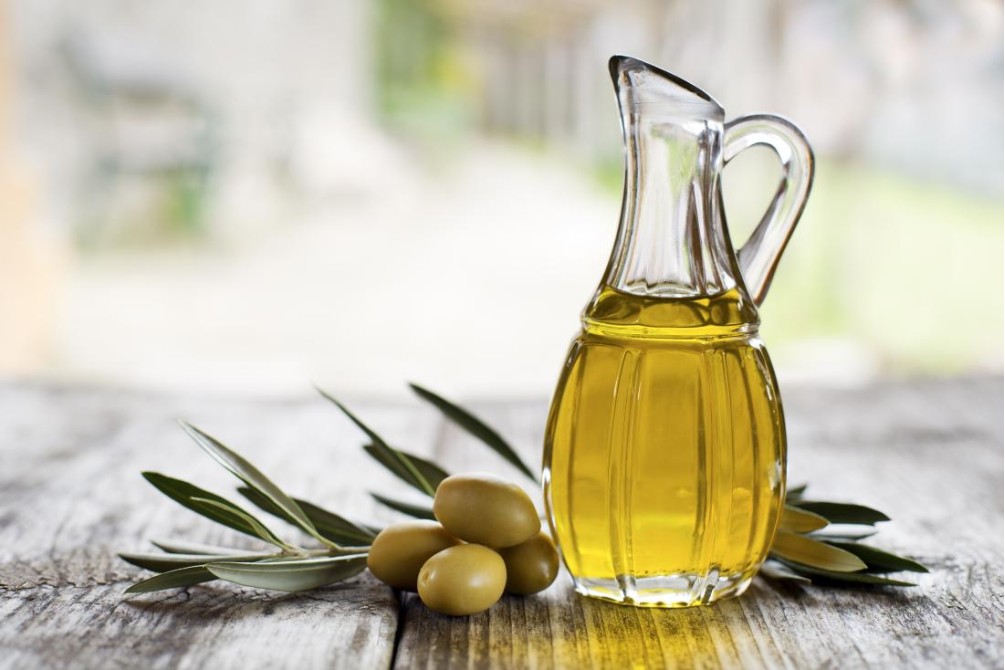
Η παρουσία της ελιάς στην Κρήτη επιβεβαιώνεται με μαρτυρίες από ανασκαφές κατά την 3η π.Χ. χιλιετία και παρέχουν σημαντικές πληροφορίες για την καλλιέργεια της βρώσιμης ελιάς από την προμινωική περίοδο (2800-2100 π.Χ.)
Καρποί ελιάς βρέθηκαν στο Ανάκτορο της Κνωσού και στις Αρχάνες,[εκκρεμεί παραπομπή] ενώ το πιο εντυπωσιακό εύρημα, θεωρείται το κύπελλο με βρώσιμες ελιές που βρέθηκε στο Ανάκτορο της Ζάκρου, και διατηρούσαν ακόμα την σάρκα τους για πάνω από 3.500 χρόνια.[εκκρεμεί παραπομπή] Κατά την Μεσομινωική περίοδο το ναυτικό των Κρητών διοχέτευε το λάδι σε μεγάλα εμπορικά κέντρα. Στη Μινωική Κρήτη είναι σημαντική η συμβολή της ελιάς στην οικονομία της Κνωσού και από κει μεταφέρεται εν συνεχεία στην οικονομία και τη ζωή της Μυκηναϊκής Ελλάδας. Η ελιά και ο ρόλος της στην οικονομία και τη διατροφή, αποτυπώνεται πολύ συχνά στη μινωική τέχνη. Πληροφορίες για την ελιά και το λάδι έχομε από τοιχογραφίες, ζωγραφισμένα αγγεία, κοσμήματα σε χρυσό και κείμενα σε γραμμική Β. Από πάρα πολλά ευρήματα είναι προφανές ότι η ελιά και το λάδι, χρησιμοποιούνταν εξαιρετικά από τους Μινωίτες, για τη λατρεία της Μεγάλης Μινωικής Θεάς, για τις ανάγκες των ανθρώπων και για εξαγωγές.
Η καλλιέργειά της ξεκίνησε από την νεολιθική εποχή (7000- 3500 π.Χ ) κυρίως στη νότια Κρήτη και από τότε ο ελαιόκαρπος περιλαμβανόταν στα βασικά είδη διατροφής των Κρητών. Στοιχεία για μελέτη - όπως πυρήνες ελιάς - έχουμε από το 3000- 2000 π.Χ. Από την Παλαιοανακτορική περίοδο (2000- 1700 π.Χ) υπάρχουν ευρήματα που αποδεικνύουν ότι η συγκομιδή φυλασσόταν με τη φροντίδα της κεντρικής εξουσίας.
Πέρα από την οικονομία, το συναντάμε σε πολλές τελετές που συνδέονται με την θρησκεία, με έθιμα και με λαϊκές απαρχές.
Όπως και τότε, πριν χιλιάδες χρόνια, έτσι και η σήμερα η ελιά εξακολουθεί να δεσπόζει στο νησί και να προσφέρει τα πολύτιμα οφέλη της όχι μόνο στους κατοίκους της αλλά και σε όλο τον κόσμο με πολλούς και διαφορετικούς τρόπους, όπως: Ως καρπός που αποτελεί διατροφικό προϊόν (ωμό, μαγειρευμένο, επεξεργασμένο ή μη), ως χυμός (ελαιόλαδο) που χρησιμοποιείται ως διατροφικό προϊόν, για φαρμακευτική, καλλυντική και καθαριστική χρήση(σαπούνι) και, τέλος, ως δέντρο αποτελώντας πρώτη ύλη εργαλείων και κατασκευών, θέρμανσης, ύλη τέχνης και έκφρασης.
Στην Κρήτη της κλασικής και ελληνιστικής εποχής υπήρχε πολύ μεγάλη ελαιοπαραγωγή. Στα ρωμαϊ¬κά χρόνια το νησί φαίνεται να παράγει μεγάλες ποσότητες ελαιολάδου. Στα βυζαντινά χρόνια, έχουμε μείωση της παραγωγής, αλλά με την ανάπτυξη της σαπωνοποιίας στην Ευρώπη μετά το 15° αιώνα, ενίσχυσε εκ νέου το εμπόριο του ελαιολάδου.
Σήμερα το 65% (2.350.000 στρ.) της γεωργικής έκτασης του νησιού είναι ελαιώνες, που περιλαμβάνουν τουλάχιστο 35 εκατομμύρια δένδρα. Στην Κρήτη παράγονται ετησίως 80.000 - 120.000 τόνοι ελαιολάδου, το 1/3 περίπου της εγχώριας παραγωγής, από το οποίο το 90% ανήκει στην κατηγορία του εξαιρετικά παρθένου.
Τα ποιοτικά χαρακτηριστικά του Κρητικού ελαιολάδου οφείλονται στο ήπιο κλίμα που επικρατεί στο νησί, ιδιαίτερα κατά την περίοδο του φθινοπώρου και του χειμώνα, περίοδο κατά την οποία δημιουργείται το λάδι, στον καρπό, στις ιδιαίτερες εδαφολογικές συνθήκες που ευνοούν την καλλιέργεια καθώς και στις ποικιλίες που ευδοκιμούν στο νησί. Επίσης, η συγκομιδή και η μεταφορά του ελαιοκάρπου γίνεται σε σύντομο χρονικό διάστημα και με την βοήθεια των σύγχρονων μηχανημάτων εξαγωγής που χρησιμοποιούνται από τα ελαιουργεία σήμερα στην Κρήτη, παράγεται ελαιόλαδο υψηλής ποιότητας.
Διεθνείς μελέτες που ξεκίνησαν από τις δεκαετίες του ’50 και του ’60 όπως αυτή του Ιδρύματος Ροκφέλερ, η μελέτη «Lyon Diet Heart Study» αλλά κυρίως η «Μελέτη των Επτά Χωρών» - έδειξαν ότι ο πληθυσμός της Κρήτης παρουσίαζε την καλύτερη κατάσταση υγείας και τα μικρότερα ποσοστά θνησιμότητας από στεφανιαία νόσο και καρκίνο, σε σχέση με όλους τους άλλους πληθυσμούς που μελετήθηκαν.
Στην «Μελέτη των Επτά Χωρών», η κατανάλωση ελαιολάδου στην Κρήτη εμφανίζεται πολύ πιο αυξημένη, σε σχέση με αυτή άλλων περιοχών της Μεσογείου και χωρών, εντός και εκτός του Ευρωπαϊκού χώρου. Είναι το μοναδικό λάδι που εξάγεται με μηχανικές διεργασίες σε αντίθεση με τα σπορέλαια που παράγονται με χημική διαδικασία. Έτσι το ελαιόλαδο, διατηρεί τις αντιοξειδωτικές του ουσίες, για τις οποίες σήμερα πιστεύεται ότι αποτρέπουν τις οξειδωτικές βλάβες που οδηγούν στην αθηροσκλήρωση, στις διάφορες μορφές καρκίνου, σε πλήθος εκφυλιστικών ασθενειών και στην άνοια. Η βιολογική αξία του ελαιολάδου Το ελαιόλαδο είναι ένα φυτικό έλαιο με υψηλή θρεπτική (αποδίδει 9,3 Kcal/gr) και βιολογική αξία. Χαρακτηρίζεται από:
Υψηλή περιεκτικότητα σε μονοακόρεστα λιπαρά οξέα.
Ιδανική σχέση κορεσμένων και μονοακόρεστων λιπαρών οξέων.
Υψηλή περιεκτικότητα σε λινελαϊκό οξύ, που καλύπτει σε μεγάλο ποσοστό τις απαιτήσεις του οργανισμού σε ουσιώδη λιπαρά οξέα.
Καλή σχέση μεταξύ βιταμίνης Ε και πολυακόρεστων λιπαρών οξέων (λινελαϊκό οξύ).
Παρουσία φυσικών αντιοξειδωτικών ουσιών σε άριστη συγκέντρωση (φαινολικές ουσίες, τοκοφερόλες, β-καροτένιο κλπ).
Μεγάλη περιεκτικότητα σε υδρογονάνθρακα σκουαλένιο.
Μεγάλη περιεκτικότητα σε φυτοστερόλες, κυρίως β-σιτοστερόλης.
Πηγή: Βικιπαίδεια